A Dire Warning from CISA — Messaging Apps Are a Growing Spyware Vector
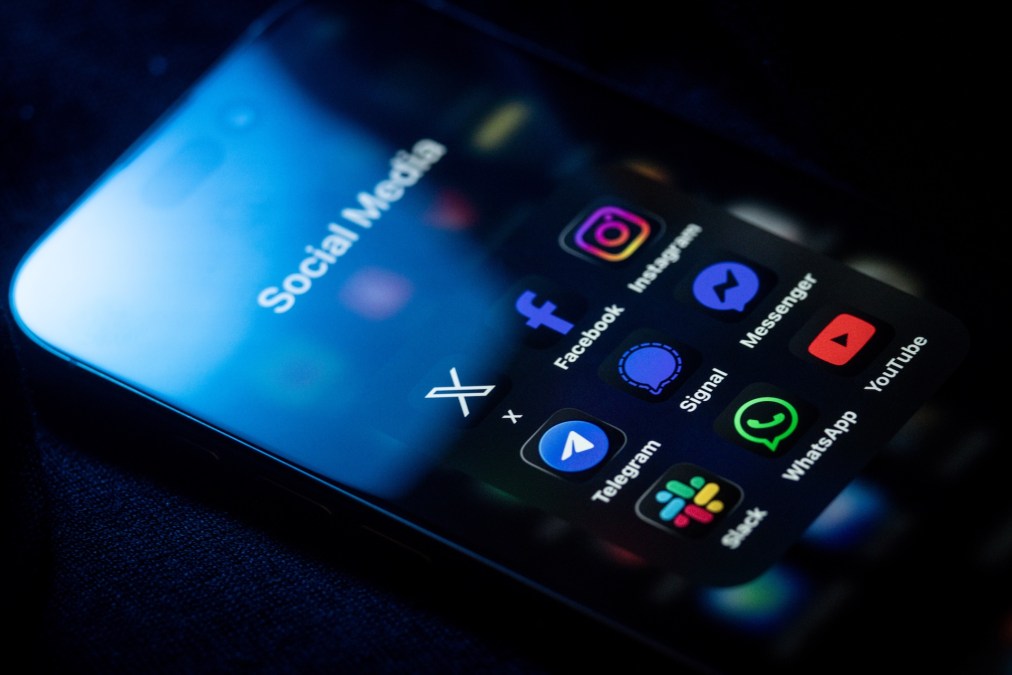
The U.S. cybersecurity authority CISA has just issued a serious alert: threat actors are increasingly using popular encrypted messaging apps — like WhatsApp, Signal, and Telegram — as a delivery channel for spyware and advanced persistent threats.
What’s especially dangerous: many of these operations rely on “zero-click” exploits — meaning the victim doesn’t have to tap a link, open a file, or take any action. The malicious code can run silently once the message is delivered.
Targets so far have included “high-value individuals”: politicians, government or military officials, members of civil-society organisations — but the methods are broadly applicable, which means in principle any smartphone user could be at risk.
How the Attack Works — Simple Yet Sneaky
- Attackers may use malicious QR codes or phishing links to trick users into linking their account to a device the attacker controls. Once linked, the attacker can silently observe or intercept messages.
- In more advanced cases: zero-click exploits — where a specially crafted message or media (e.g. an image file) triggers a vulnerability in the messaging app or OS. No user action needed.
- Sometimes attackers distribute fake or modified versions of messaging apps (spoofed apps) that look legitimate, but behind the scenes they harbour spyware or remote-access trojans (RATs).
One documented example: a spyware named LANDFALL that exploited a vulnerability in certain Android devices — notably Samsung Galaxy phones — via a malicious image file sent over WhatsApp. Once the image is processed by the phone’s image library, the spyware installs itself — no interaction required from the user.
What This Means for Algeria / North Africa / MENA Context
Although many of the currently documented attacks target government figures in the US, Middle East and Europe, the tools and methods are global.
- Users in Algeria — individuals, activists, journalists, civil-society members — could unknowingly become targets if attackers decide to expand operations.
- Given that many people rely heavily on WhatsApp, Telegram, or Signal for sensitive communications (journalistic, political, human rights, activism), the risk of silent compromise is non-trivial.
- Zero-click exploits are especially worrying: even a cautious user who never clicks unknown links might still be infected.
In short: strong operational security (OpSec) is no longer just a “nice to have” — for high-risk users or anyone concerned about privacy, it should be a baseline requirement.
Recommended Defensive Measures
Based on CISA’s guidance and known tradecraft, here are the practices I would advise — especially for activists, journalists, dissidents, or anyone managing sensitive communications:
- Only install messaging apps from official app stores (Google Play, Apple App Store). Avoid downloading APKs or unofficial versions.
- Keep the operating system and applications updated — security patches often close the vulnerabilities exploited by zero-click tools.
- Use all built-in security features: enable two-factor authentication, prefer FIDO (phishing-resistant) over SMS-based MFA when available.
- Avoid linking messaging accounts to multiple devices when possible; scrutinize QR-code-based linking — don’t scan suspicious or unsolicited QR codes.
- For highly sensitive communications, consider using alternative means — not just messaging apps but also secure email providers, in-person meetings, or other channels.
- Monitor your device for anomalous signs: unexpected battery drain, unusual data usage, strange background activity — which could indicate spyware presence.
Final Word — The Threat Is Real and Growing
The CISA alert is a wake-up call. What might have seemed like private, secure conversations are no longer automatically protected. Advanced spyware — once the domain of nation-state actors — has become widely available, and encrypted messaging apps are under active assault.
If you care about privacy, security or sensitive communication — especially under regimes or high-risk environments — you can no longer take encryption at face value. Instead, you must adopt a threat-aware mindset, and treat your mobile phone as a potential battlefield.